
The Allure of Bright Lights and Colors
The vibrant colors and dazzling lights of casinos are far from mere decorations; they play a critical role in drawing people into these entertainment hubs. Psychologically, bright colors, particularly reds, yellows, and greens, evoke feelings of excitement and urgency. For instance, red can stimulate the senses and create a sense of appetite and enthusiasm, while blue can calm and relax. This use of color is intentional, as it establishes an energetic atmosphere that encourages patrons to stay longer and engage more deeply with gaming and entertainment options, including online casino $10 neosurf games that offer thrilling experiences.
The strategic placement of lighting also impacts mood and behavior. Casinos often utilize soft lighting to create an inviting ambiance while using spotlight effects to draw attention to high-stakes games and prominent slot machines. The illumination is designed to reduce the perception of time passing, making guests more susceptible to extended play. The glow of the machines, in particular, mimics the appeal of being in a dreamlike state, enhancing the immersive experience of casino life.
Moreover, the interplay of sights and sounds in casinos heightens the sensory experience, reinforcing the desire to play and win. The use of jingles and celebratory sounds accompanying wins creates a psychological reinforcement, encouraging players to continue. This multi-sensory approach of bright lights combined with stimulating sounds resembles an intricate dance designed to engage players’ emotions and keep them within the casino’s environment longer.
The Layout and Flow of Space
The physical layout of casinos is meticulously crafted to guide the flow of foot traffic and maximize the potential for gambling. A well-designed casino typically lacks natural light and has a labyrinthine structure, meaning patrons often find themselves wandering from one gaming area to another without a clear exit in mind. This design creates an environment that encourages exploration and discovery, making players more likely to stumble upon enticing games. The psychological effect is that if patrons feel lost in the maze, they are less likely to leave quickly, resulting in longer gaming sessions.
Furthermore, pathways are often lined with slot machines and table games to draw people deeper into the establishment. This design enhances the likelihood of spontaneous gambling decisions, as players become more tempted to engage with games they had not initially planned to play. The positioning of high-stakes tables and popular machines also plays a substantial role in directing individuals toward specific areas, enhancing both visibility and accessibility, which is crucial for retaining interest and involvement.
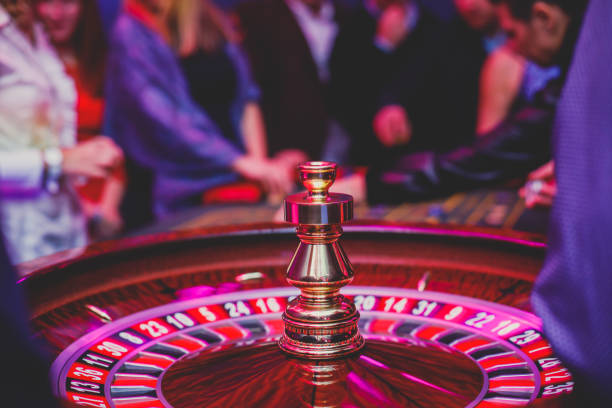
In addition, the careful use of space can influence spending behaviors. Casinos often employ strategies such as placing ATM machines and bars conveniently close to gaming areas to ensure that patrons have easy access to cash and refreshments without leaving the gaming zone. Such strategic placement encourages players to spend more time and money since they won’t have to venture far to recharge their gambling experience.
The Role of Rewards and Incentives
Incentive structures within casinos are designed to promote loyalty and repeat visits, employing psychological principles that capitalize on the human desire for reward. Many casinos offer player loyalty programs that provide complimentary perks, such as free meals or discounted hotel stays, based on gaming activity. This strategy not only incentivizes initial visits but also creates a sense of belonging among patrons, fostering a community atmosphere that encourages repeat business.
The psychology of rewards extends even to the games themselves. Casinos often use principles known as variable ratio reinforcement, where players receive rewards at unpredictable intervals. This randomness can create a powerful psychological hook, as players are drawn into the cycle of play in anticipation of a significant win. The excitement associated with unpredictable rewards keeps players engaged, reinforcing the behavior and encouraging them to continue playing, sometimes for longer than intended.
Furthermore, showcasing big winners via displays throughout the casino, or even by featuring them in promotional materials, serves to bolster this reward system. By making success visible, casinos not only validate the efforts of current players but also draw in new patrons who wish to replicate those wins, creating a perpetual cycle of engagement and excitement that forms the backbone of casino success.
Creating a Comfortable and Engaging Environment
Comfort is another design element that plays a significant role in the psyche of casino visitors. Comfortable seating, ambient music, and temperature control are integral aspects of a casino’s design that contribute to an inviting environment. Patrons are more likely to linger in a space that feels comfortable, and this is precisely why casinos invest in plush seating arrangements surrounding gaming stations. The intent is to make players feel relaxed, allowing them to immerse themselves in games without discomfort or distraction.

In addition, casinos often incorporate themes and storytelling elements into their design to create an engaging atmosphere. Themed areas may transport players to different worlds, heightening enjoyment and immersion. This psychological element emphasizes escapism, allowing guests to disconnect from reality and enjoy an alternative experience. The blending of visuals, storytelling, and interactive elements draws patrons in and keeps them entertained, reinforcing the idea that casinos are places of excitement and adventure.
Moreover, casinos frequently offer entertainment options such as live music, performances, and events. By providing diverse attractions beyond just gaming, they enhance the customer experience, encouraging individuals to visit more frequently. Such offerings create a social atmosphere where guests can gather and celebrate, effectively making the casino a multifaceted entertainment venue rather than merely a place to gamble.
Understanding the Impact of Online Casino Design
In recent years, the transition to online gambling has necessitated a shift in design principles as casinos move into the digital realm. Unlike physical casinos, online platforms have to consider screen size, user interface, and accessibility features to enhance user experience. The psychology behind online casino design focuses on simplicity and clarity; a well-structured layout guides players seamlessly through the site, promoting ease of navigation and engagement with multiple gaming options.
The use of color and graphics remains profoundly influential in the online environment. Websites often utilize bright colors and alluring animations to capture attention while maintaining a sense of familiarity. User experience is enhanced through the strategic placement of links, buttons, and game types, ensuring players can quickly find their preferred games with minimal effort. This attention to detail in design aims to mimic the engaging atmosphere of physical casinos while capitalizing on the unique advantages of digital platforms.
Additionally, the integration of social features into online casinos reflects a growing understanding of the importance of community in the gambling experience. Many platforms now offer chat functions, multiplayer games, and social media integrations that replicate the interpersonal interactions found in physical casinos. By creating this sense of community online, operators can leverage the same psychological principles that underpin successful in-person casinos, ensuring players feel connected and engaged, thus maximizing their time spent playing.
Recent Comments